
data analysis news
3 stories
Beyond IOCs: AI-enabled threat intelligence
The cybersecurity industry is increasingly exploring the potential of artificial intelligence (AI) to enhance threat intelligence, moving beyond traditional indicators of compromise (IOCs) to derive deeper insights from unstructured data. While AI is often viewed as a double-edged sword, empowering both attackers and defenders, its application in managing and analyzing threat intelligence…

Where Expertise Meets Algorithm: The Insikt Group® Intelligence Edge
Recorded Future's Insikt Group research team combines human expertise with automated analysis to produce actionable threat intelligence. The team comprises individuals with backgrounds in government, military, law enforcement, and intelligence agencies, bringing decades of experience to their work. This approach, described as a "centaur model," leverages seasoned human judgment alongside…
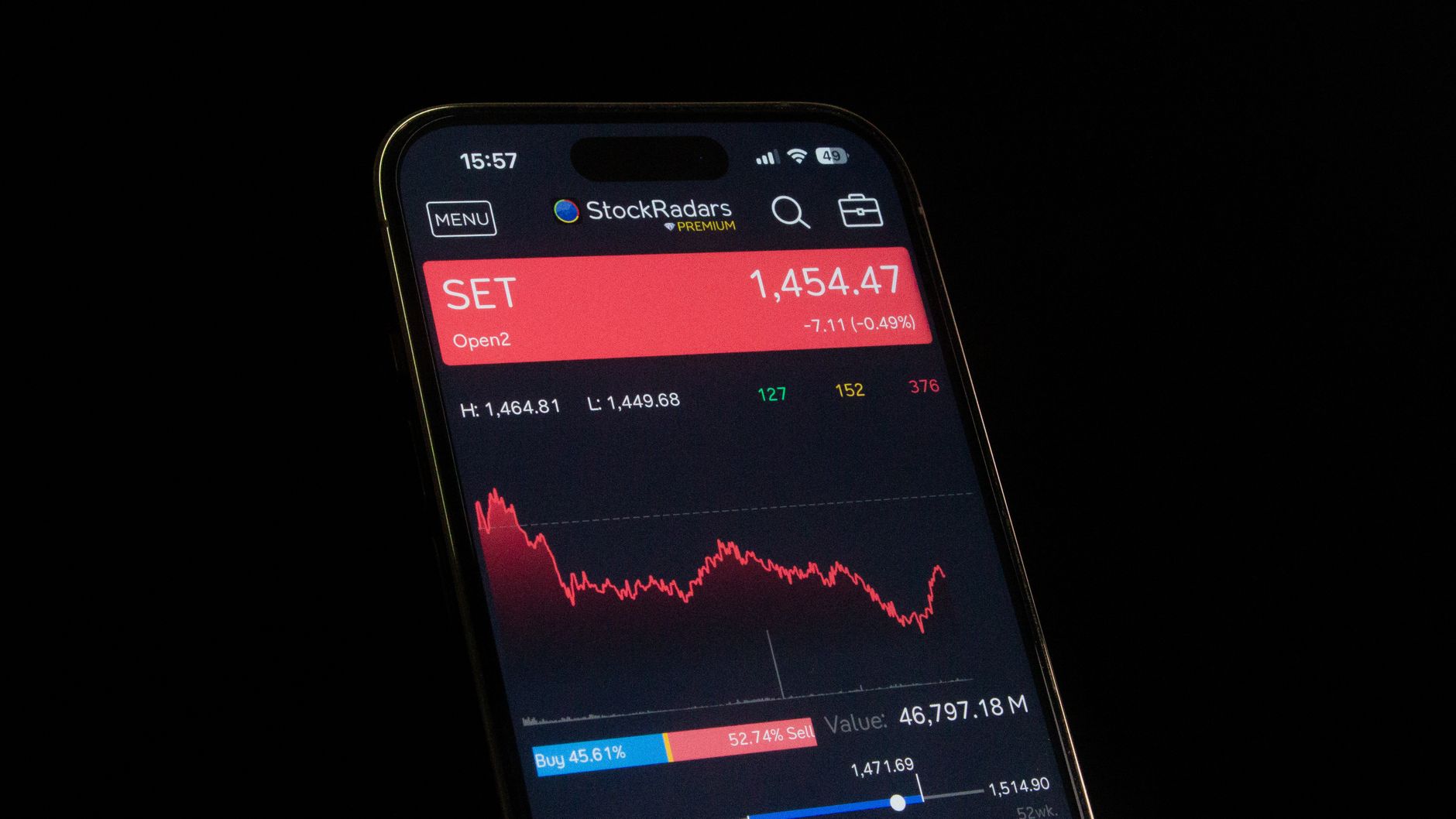
Cyber Breach Impact on Stock Prices Explored
Researchers investigated whether public indicators of cyber breaches can predict market reactions and inform trading strategies. They analyzed data from company filings, blogs, and social media to test a hypothesis suggesting shorting stocks after a breach becomes visible and then going long as the market recovers. The study found mixed results, questioning common assumptions about how the market values cyber failures.